



One OpenAI Change. One Very Deep Custom GPT Rabbit Hole for Small Businesses.
When a platform changes the rules, the change itself can look quite small. The consequences for a small online business can be anything but.
I’ve been thinking a lot about OpenAI’s recent changes to Custom GPT creation, partly because I use ChatGPT in my own business and partly because I suspect the real impact of this particular decision hasn’t been felt yet.
On the surface, it sounds like a fairly straightforward product change. OpenAI has changed who can create and publish new Custom GPTs. Personal ChatGPT accounts, including Free, Go, Plus and Pro, can no longer create or publish new ones, while creation remains available within Business, Enterprise and Edu workspaces where the relevant permissions allow it. Existing GPTs haven’t simply disappeared, which is important, but for anyone who had plans to create more of them, the landscape has changed.
If you simply use ChatGPT to ask questions, write content or have the occasional debate about whether there really needs to be another new social-media feature, you may not have noticed anything at all.
If, however, you are one of the smaller online businesses that had started creating products, services or specialist tools around Custom GPTs, one apparently small change can send you down a very deep rabbit hole.
When One Platform Change Reaches Much Further
OpenAI is entitled to decide how its own platform works. I think that is worth saying at the outset because this isn’t an argument that a technology company should never change its products.
Of course it will .. you can bet your bottom dollar that it won't be the last..
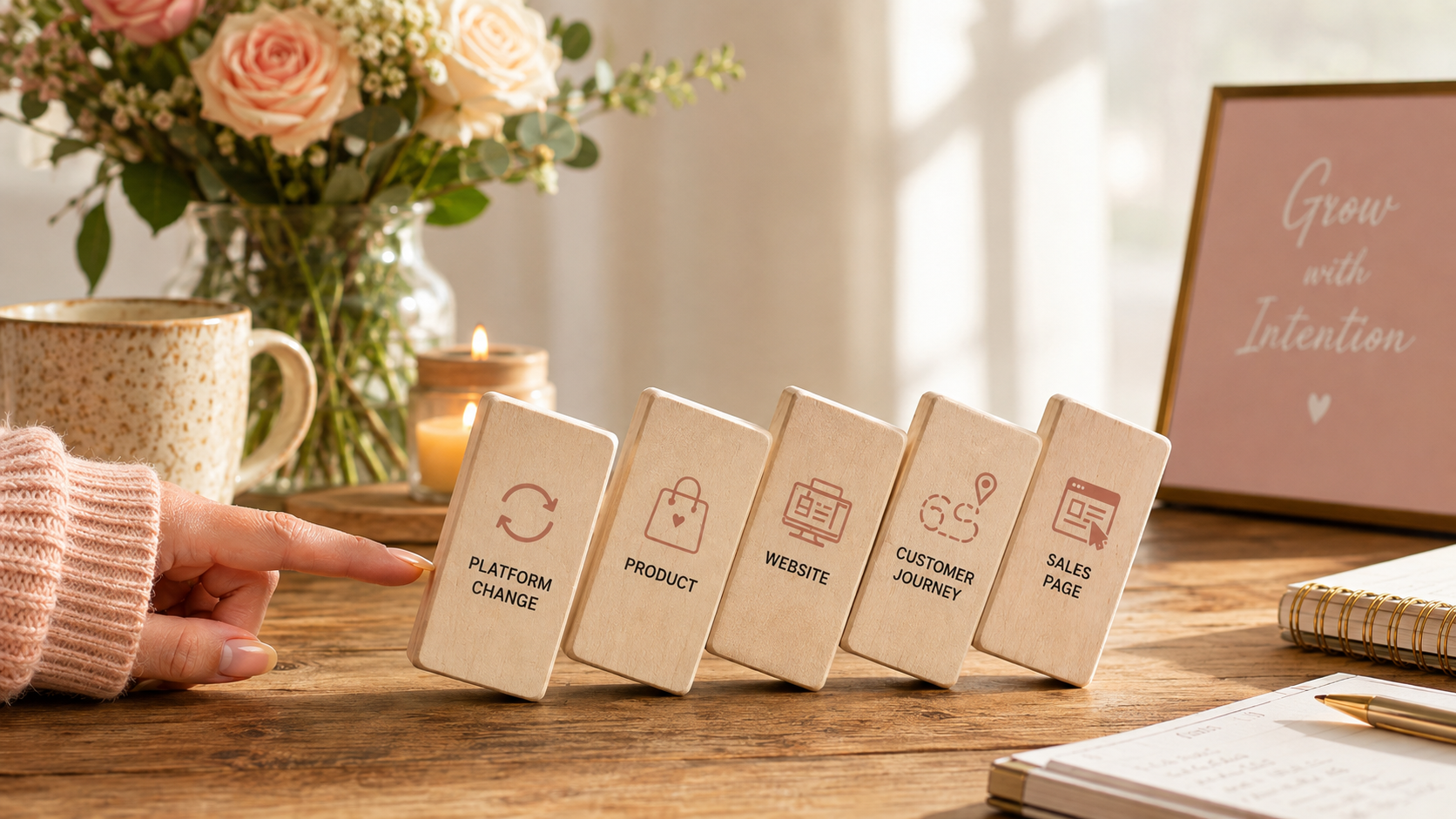
The interesting bit is what happens further down the line because there will always be a knock-on effect - like dominoes falling.
Imagine you have spent months creating a collection of specialist Custom GPTs. You've written the instructions, prepared knowledge files, tested them, created the branding and worked out where they fit within your customer journey. Your website describes them, your sales pages are written around them and perhaps there is already a funnel connecting one product to the next.
Then the platform changes what is possible for the type of account you use.
A large company might hand that problem to its product team, technical department and marketing department and arrange a meeting about the next move.
When you run a tiny online business, all three departments may be three or more versions of you.
You are the person looking at the product, the sales page, the website and the customer experience while wondering whether you now need to change one thing, six things or the entire direction of the offer.
Possibly before lunch.
That is why I think platform changes can hit small businesses disproportionately hard. The original decision may be perfectly reasonable from the platform’s point of view, but the ripple created at the other end can be enormous.
Should There Have Been A Middle Ground?
One thought has kept coming back to me since these changes appeared.
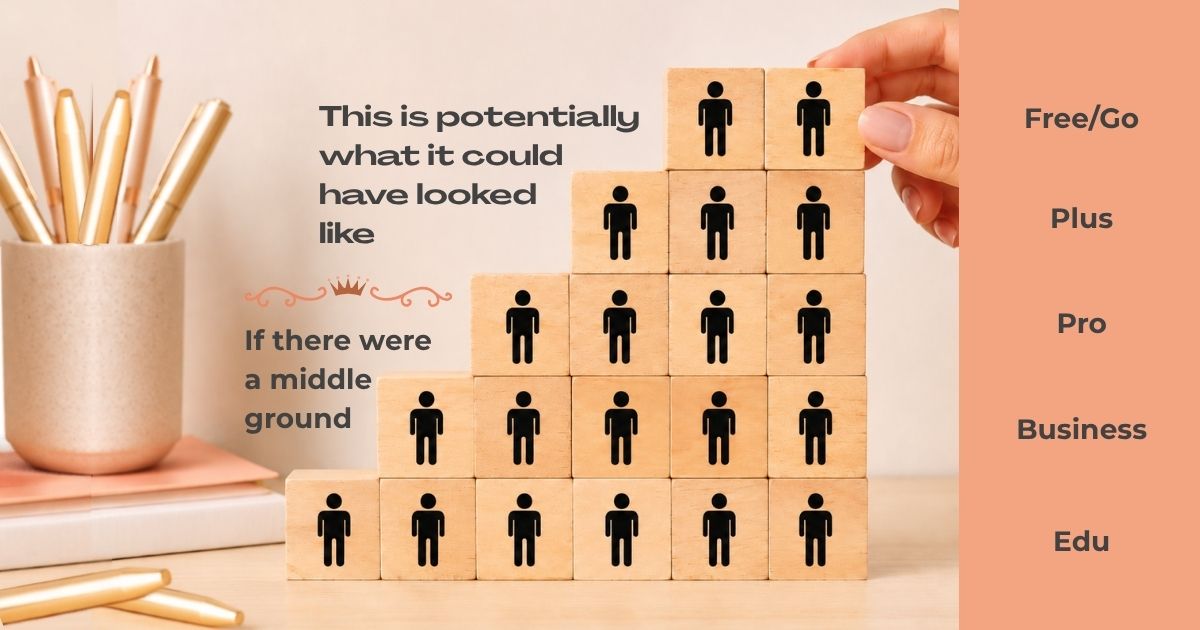
Could Custom GPT creation simply have been limited according to subscription level?
Perhaps one level could create a small number, a higher subscription could create more and business plans could have a larger allowance again. The higher the subscription, the greater the creation capacity.
I have absolutely no idea whether that would work technically, financially or operationally for OpenAI. I’m sitting on my side of the screen with a coffee rather than inside an OpenAI product meeting.
But from a customer perspective, it feels like an obvious alternative.
A creator who only needed two or three specialist GPTs could have continued creating them without needing the same facilities as someone producing dozens. A business whose requirements grew would then have had a natural reason to move up through the subscription levels.
Instead, there is now a much more defined divide between personal accounts and the managed workspaces where new GPT creation continues.
That particularly affects small creators because we often sit in the space between ordinary consumer use and larger-business infrastructure. We may be running genuine commercial businesses, but that doesn’t mean we need, want or can justify every business-level platform setup simply to create a handful of specialist tools.
Haven’t Facebook and Instagram Taught Us This Already?
The funny thing is that this isn’t really a new lesson.
Only the platform is new.
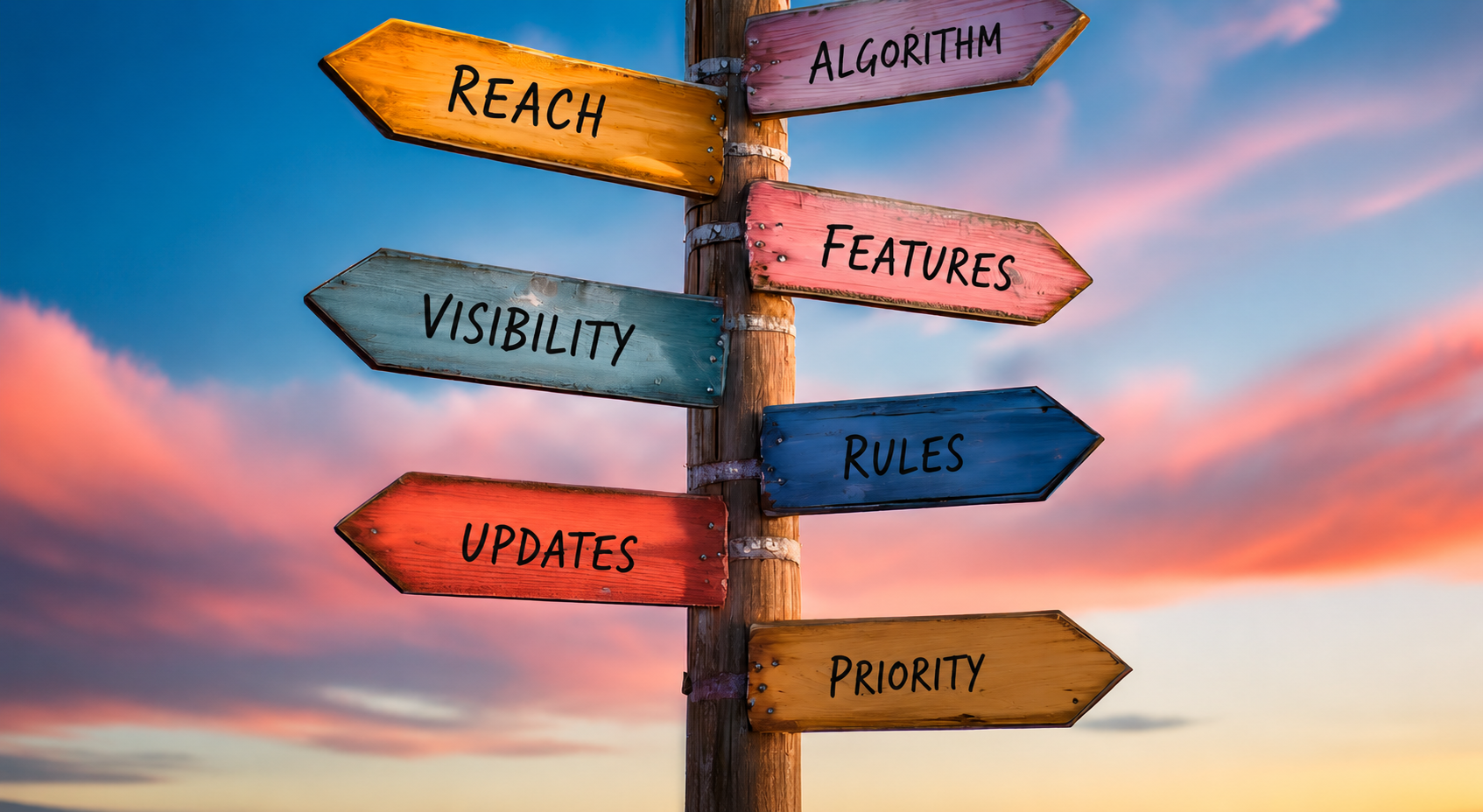
If you have used Facebook or Instagram as part of a small business for any length of time, you will probably recognise the feeling. A feature changes, reach alters, an algorithm moves or the type of content being encouraged suddenly shifts.
Nobody asks whether you had already created the next three months of content around the previous version.
The platform changes and we adjust.
I’m not saying an Instagram algorithm adjustment and OpenAI removing new Custom GPT creation from personal accounts are the same thing. They clearly aren’t.
But underneath both is the same rather important reminder.
We don’t own the platform.
It’s surprisingly easy to forget that when we use one every day. It becomes part of the furniture of the business. We create there, communicate there, attract customers there or create products using its technology, and eventually it can begin to feel as though that platform is part of our own infrastructure.
Then a rule changes.
Suddenly the boundary between my business and their platform becomes rather obvious again.
I don’t think the answer is to abandon platforms. That would be rather like deciding never to drive anywhere because somebody else owns the roads.
Facebook, Instagram, ChatGPT and other technology platforms give very small businesses access to audiences and tools that would once have required enormous budgets or specialist teams.
The opportunity they give us is extraordinary.
The danger appears when useful quietly becomes indispensable.
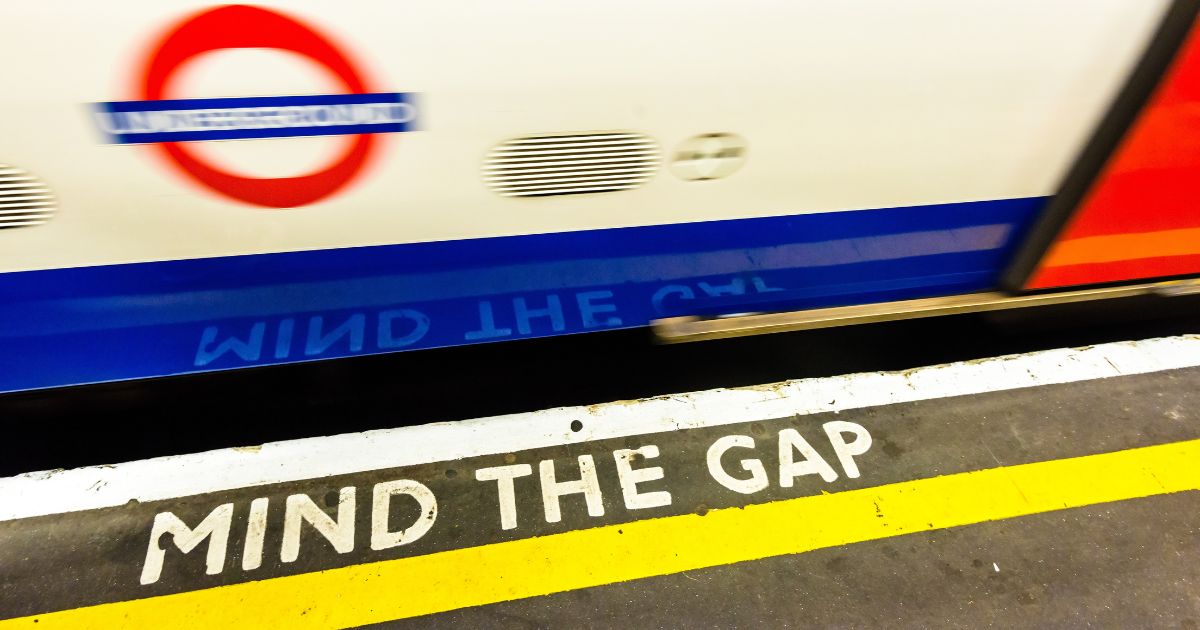
And This Is Where a Very Large Gap Has Appeared - A Large, Huge, Enormous Gap
There is another side to OpenAI’s decision that I think could become much more interesting over time.
Whenever a large company closes a route that customers were actively using, it leaves a gap behind.
And those gaps tend not to stay empty for long.
There are creators like us who liked the idea of being able to create specialist AI assistants for different purposes. Some were using them internally in their businesses. Others had begun incorporating them into products or services. And there will undoubtedly be people who had ideas sitting in notebooks that they hadn’t even created yet.
And we haven’t suddenly stopped wanting to do this. In fact, it is now even more important with this change.
It's just the route for creating specialist AI assistant on the type of ChatGPT account they were using has changed.
And with that, it leaves an humongous opportunity for other AI companies to say, We can do that.
They have been waiting patiently in the background, and have probably already been creating a genuinely creator-friendly platform where someone can create a specialist AI assistant, customise it, provide its knowledge and offer access to it in a commercially workable way.
For the small online-business market, the winning platform or platforms may not even need to be the one shouting from the highest roof top about having the most technically advanced AI model. It may simply be the one that understands what a creator actually wants to do.
I want:
· to create this specialist.
· it to understand this information.
· my customer to be able to use it easily.
· to know what I am allowed to do commercially.
But I don’t want to require an IT department and three instruction manuals to make it happen.
If another AI company fills that gap well, this particular OpenAI change could end up creating an opportunity for one of its competitors.
That may not happen overnight. But I suspect plenty of people who have invested time in Custom GPT creation are now paying far more attention to alternative platforms than they were a few weeks ago.
A phrase comes to mind that is uses in London's Underground: "Mind the Gap"
and in this context, this new gap will be filled probably sooner than anyone can imagine.

The Bigger Risk May Be What Gets Created Next
This is where I think the longer-term impact for OpenAI becomes particularly interesting.
Customers don’t always leave a platform by dramatically cancelling everything and slamming the digital door behind them.
Sometimes they simply create their next thing somewhere else.
Then perhaps the thing after that.
A different tool becomes familiar. A new workflow develops. Customers begin using the alternative. Eventually, moving everything back would actually create more work than staying where they are.
That kind of migration can be almost invisible while it is happening.
And I wonder whether many ChatGPT users are still completely unaware of the Custom GPT change because they haven’t tried to create a new one yet. You don’t necessarily discover that a route has closed until the day you arrive expecting to travel down it.
That could be next week.
It could be six months from now.
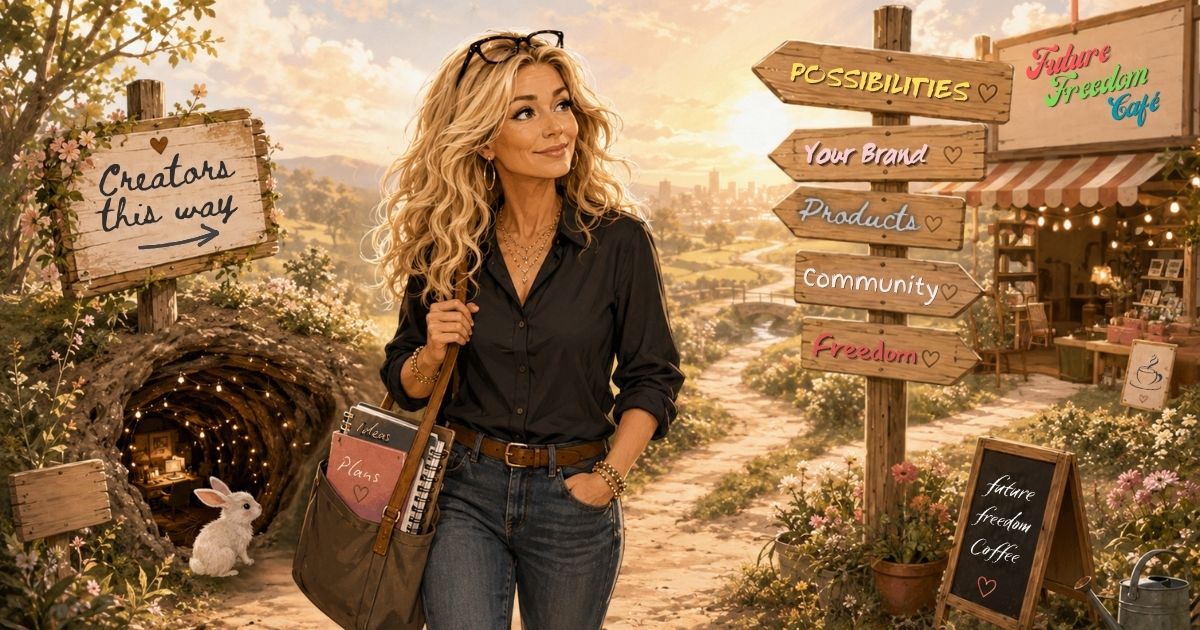
By then, the AI landscape may have changed again and another company may have put up a very large sign saying, CREATORS THIS WAY.
I’ll be watching that with considerable interest.

Yes, This Brings Us Back to What We Actually Own
You know the one.
“Don’t create your entire business on social media because you don’t own your followers. Create an email list.”
It is good advice and there is a reason it has been repeated approximately eleven trillion times.
But I think that is another rabbit hole for another day.
This is bigger than email.
It is about recognising There is an obvious turn we could take here into email-list territory.
which parts of the business actually belong to us.
The ideas belong to us. The original product files can belong to us. Our expertise, processes, brand, website content and intellectual property can belong to us. An email list can usually be moved from one provider to another. A digital product can potentially be reformatted or delivered differently if the technology behind it changes.
The more of the important pieces we retain, the easier it is to adapt when somebody else changes theirs.
That doesn’t mean preparing for disaster every time we use a new piece of technology. I would quite like to spend some of my working week doing something other than preparing emergency evacuation plans for digital products.
It simply means occasionally asking where the dependency sits.

So Where Does This Rabbit Hole Lead?
I’m still an enormous fan of AI and I will be for the foreseeable future.
And this particular OpenAI decision hasn’t changed that.
If anything, it has made another part of the AI story more interesting because now I’m watching not only what OpenAI does next, but what other companies do in response.
There is clearly an appetite for creator-friendly specialist AI tools. OpenAI proved that by making Custom GPTs accessible enough for everyday users to start creating them in the first place.
Now there is a gap.
Somebody may decide to fill it.
And perhaps that is the useful thought to take from all of this.
Platforms will change. Facebook has. Instagram has. OpenAI has. Whichever platform becomes indispensable next will eventually make a decision that you or I wouldn’t have chosen over a G&T.
We can still use them and enjoy what they make possible.
We can create extraordinary things with technology we could barely have imagined a few years ago.
But every so often it is worth asking one slightly uncomfortable question:
If this platform changes the rules tomorrow, what happens to the thing
I created on it?
OpenAI’s Custom GPT changes happen to be the reason I’m asking that question today.
And somewhere further down this particular rabbit hole, I have a feeling another AI company may already be working on the answer.
Let us know what you think in the comments!

Categories
Fancy Staying in Touch?
Pop your email below and I'll send you the occasion email with new ideas, resources
& other useful bits & bobs you might like.
By joining, you acknowledge that you'll receive our emails and can opt-out
anytime hassle-free.
Built on a wing & a prayer by ©thehappyhustleco